
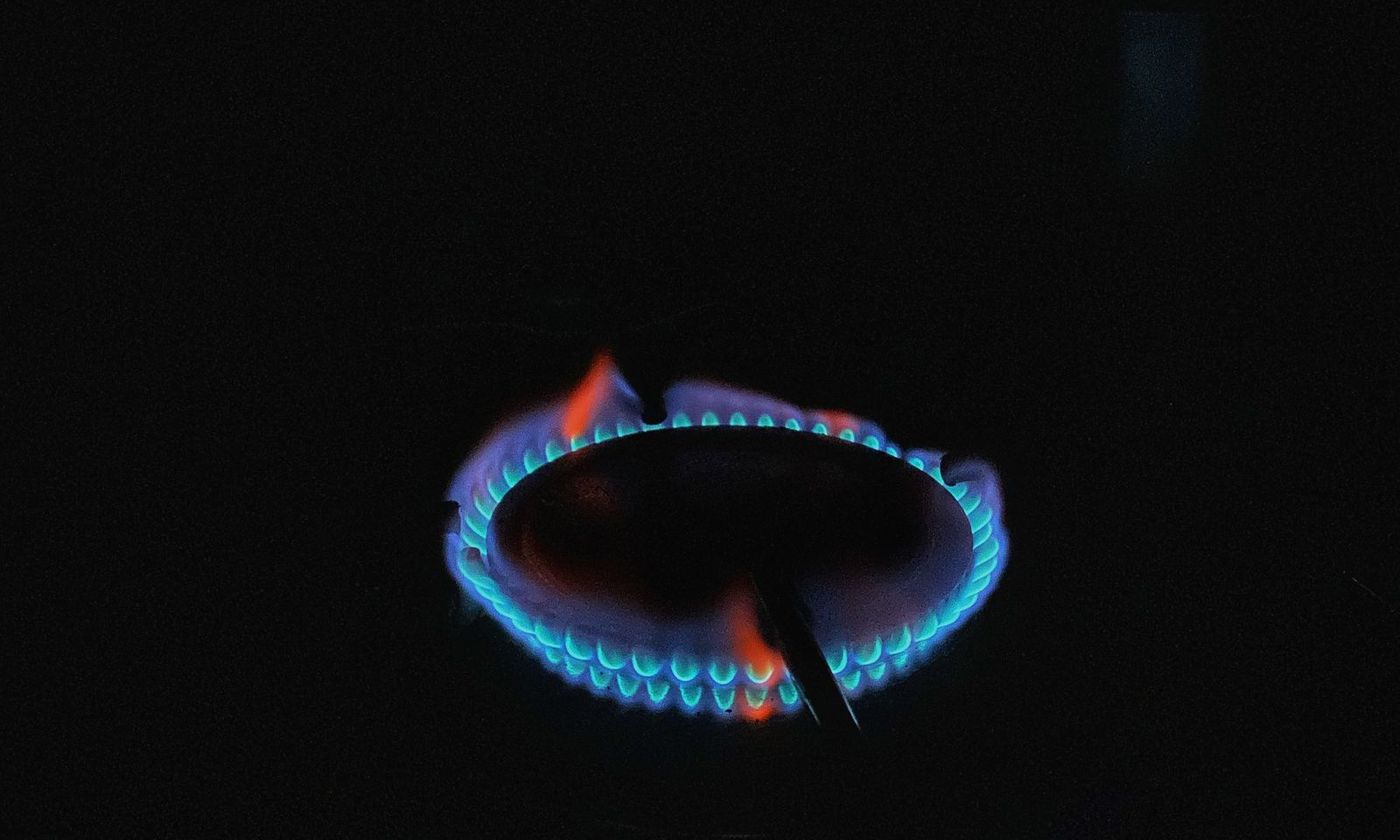
How the safety interlock works
The pilot flame heats a thermocouple, which generates a small voltage — typically 25 to 35 millivolts. That voltage holds an electromagnet open inside the gas control valve. If the pilot goes out, the voltage collapses within seconds and the valve snaps shut, cutting gas to both the pilot and the main burner.
So a pilot that dies the moment you release the control knob is a thermocouple that is not producing enough voltage. The system is failing safe.
Why it happens
- Worn thermocouple. Output degrades gradually with heat cycling. The most common cause by a wide margin.
- Dirty or partly blocked pilot orifice. Produces a weak, lifting or yellow pilot flame that does not properly envelop the thermocouple tip.
- Loose thermocouple connection at the gas valve, often after previous service work.
- Draft. A downdraft through the flue or a strong exhaust fan can physically blow the pilot out.
- Tripped thermal switch. On modern units, a flammable vapour sensor or thermal cut-out locks the heater out entirely and will not allow relighting.
- Failing gas control valve. The electromagnet itself weakens and no longer holds even with good millivoltage.
Electronic ignition is different
Many newer gas heaters have no standing pilot at all. They use a hot-surface igniter or spark igniter with a thermopile or flame rod for proof of flame. The symptoms look similar — no burner, no heat — but the diagnosis follows the fault code on the gas valve rather than a lighting procedure. Sparking that never establishes flame, or flame that lights and immediately drops out, separate igniter faults from flame-sensing faults.
Two attempts, then stop
If the pilot will not hold after two proper lighting attempts, further attempts do not help. Each one releases unburned gas into the combustion chamber, and the underlying fault has not changed. Turn the gas control to off and call.
What gets measured
Thermocouple output is read under load, not just open circuit — a thermocouple can show acceptable voltage unloaded and still fail to hold the valve. The pilot flame is inspected for shape and colour, since it should be a steady blue cone fully enveloping the thermocouple tip. Draft at the draft hood is checked, and on units with a thermal switch the trip cause is traced before anything is reset.
Draft problems in Wilmington basements
Repeated pilot outages with a healthy thermocouple usually mean a venting problem. In Wilmington's older attached housing — the rowhomes through the Ninth Ward, Hedgeville and Riverside — water heaters frequently share a masonry chimney with the furnace. When a high-efficiency furnace is installed and side-vented, the old chimney is left serving only the water heater and is now dramatically oversized, so it never establishes proper draft. The heater works in summer and drops its pilot every cold snap.
Tightened building envelopes create the same effect. A powerful range hood or bath fan in a sealed basement can pull enough negative pressure to reverse the flue. Both are venting and combustion-air problems, not thermocouple problems, and replacing the thermocouple repeatedly will not resolve them. Related faults are covered under gas water heater repair.
Related repairs
- Gas water heater repairBurner, pilot, gas valve and venting faults on natural gas and propane tanks.
- Water heater burner repairClogged ports, poor combustion, soot and manifold faults on gas tanks.
- No hot water repairComplete loss of hot water on gas, electric and tankless systems.
- Water heater not heatingLukewarm water, short supply and slow recovery on any fuel type.
Questions we get asked
Why does my pilot go out when I release the knob?
The thermocouple is not producing or delivering enough millivoltage to hold the gas valve's electromagnet open. It is usually the thermocouple itself, sometimes a loose connection at the valve, occasionally the valve.
How long should I hold the control knob down when lighting?
Usually 30 to 60 seconds, which is the time needed for the thermocouple to heat and generate voltage. Releasing too early is a common reason a healthy pilot appears to fail.
My heater has no pilot light at all. Is that normal?
Yes, on newer units. Electronic ignition models light the burner on demand with a hot-surface or spark igniter and have no standing pilot. They report faults by a blinking code on the gas valve instead.
The pilot lights but the burner never fires. Why?
That separates the pilot circuit from the main valve. It usually means the thermostat is satisfied, the thermopile output is too low to open the main valve, or the gas control valve has failed internally.
Get it looked at
Describe what the heater is doing when you call — the symptom usually narrows the fault before anyone arrives.
(302) 603-9708 Call now for service